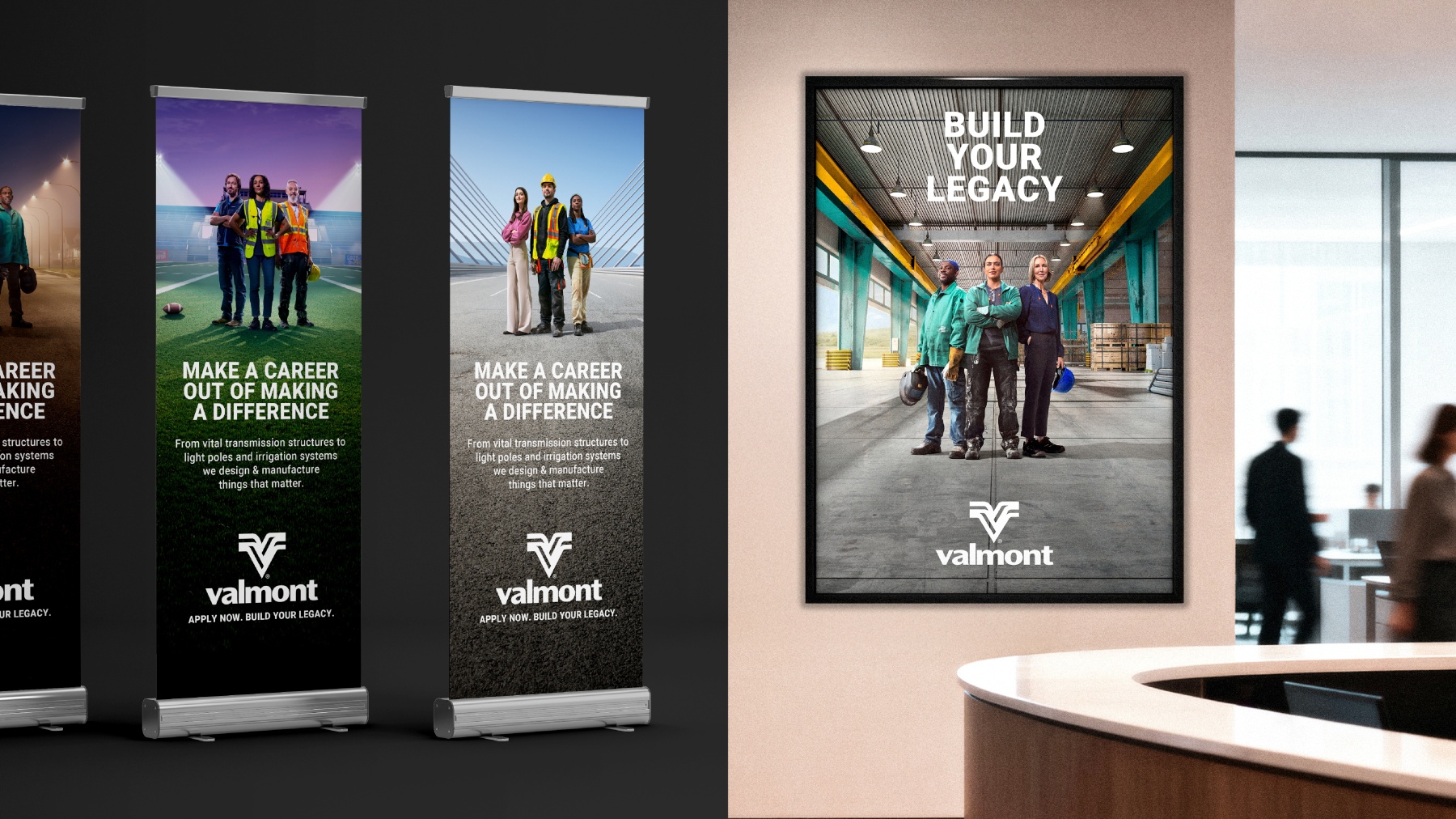
Building what matters. Making it matter.
Despite employing 11,000 people across 21 countries, infrastructure manufacturer Valmont Industries faced a growing visibility problem: much of its work powering cities and supporting global food systems was invisible to prospective talent.
Despite being a global infrastructure powerhouse, Valmont was "hiding in plain sight", which was hindering recruitment and internal pride, particularly in scarce frontline manufacturing roles where the essential nature of the work went unrecognised.
Manufacturing workers crave pride, progression, and respect. While Valmont provided all three, its corporate language focused on products rather than the people. The workforce pointed to tangible, lasting impact, yet this wasn't reflected in how the company's story was being told.
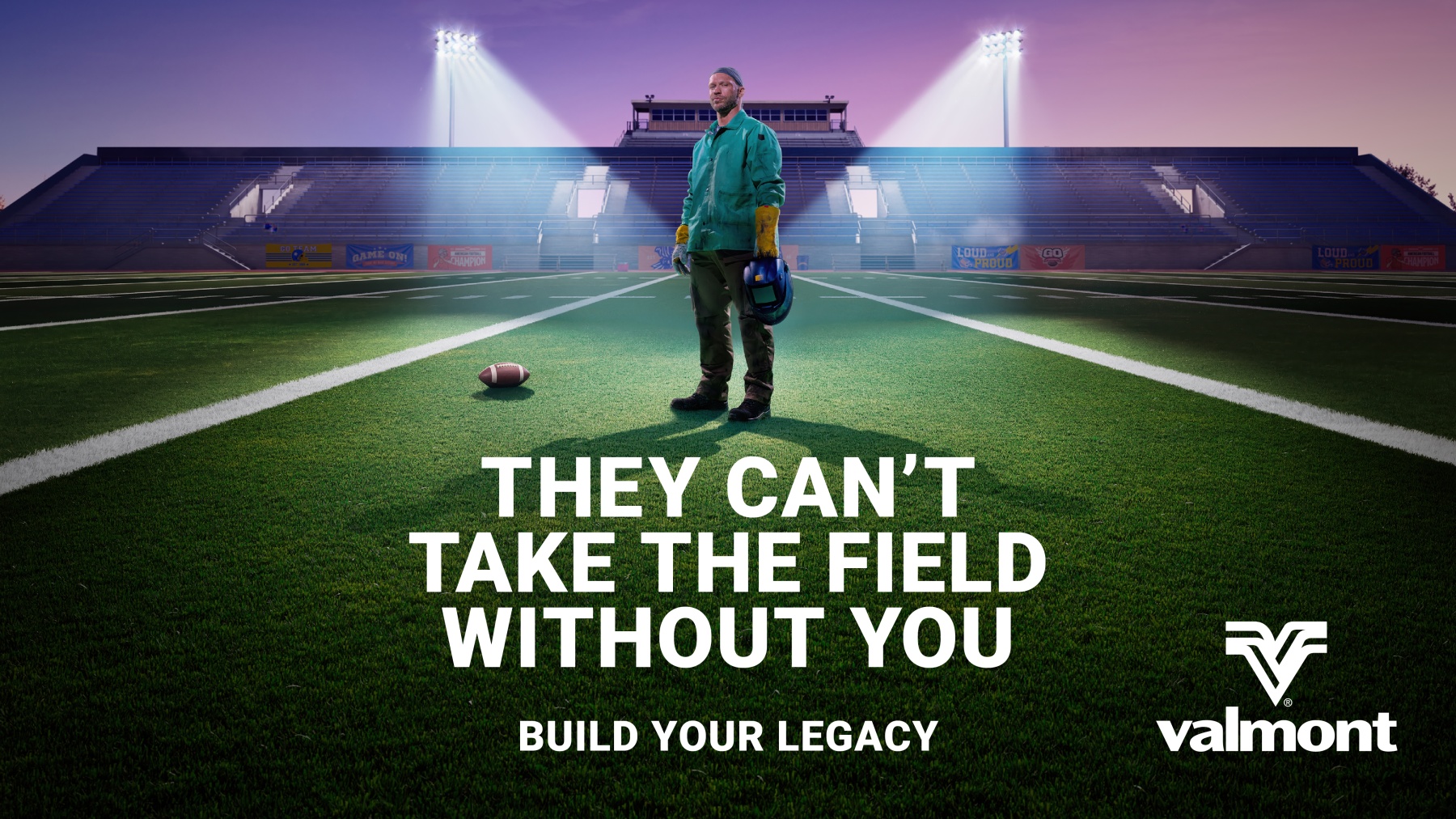
A visibility problem that masked a value story
To address this, Valmont partnered with WMH&I to develop “Calling All Heroes,” a new employer brand campaign designed to reposition manufacturing work as purposeful, essential, and pride-worthy.
Our strategy was to shift the narrative from "jobs" to "legacy." The strategy, "We build what matters," reframed manufacturing as a meaningful career where employees build a future and a life, not just infrastructure. Making a career out of making a difference.
The campaign places previously invisible roles front and center with "heroic callings" that power cities and feed the world, tapping into pride and Valmont’s role in keeping the American dream alive. The result is a platform that restores value and helps workers see their work truly matters.
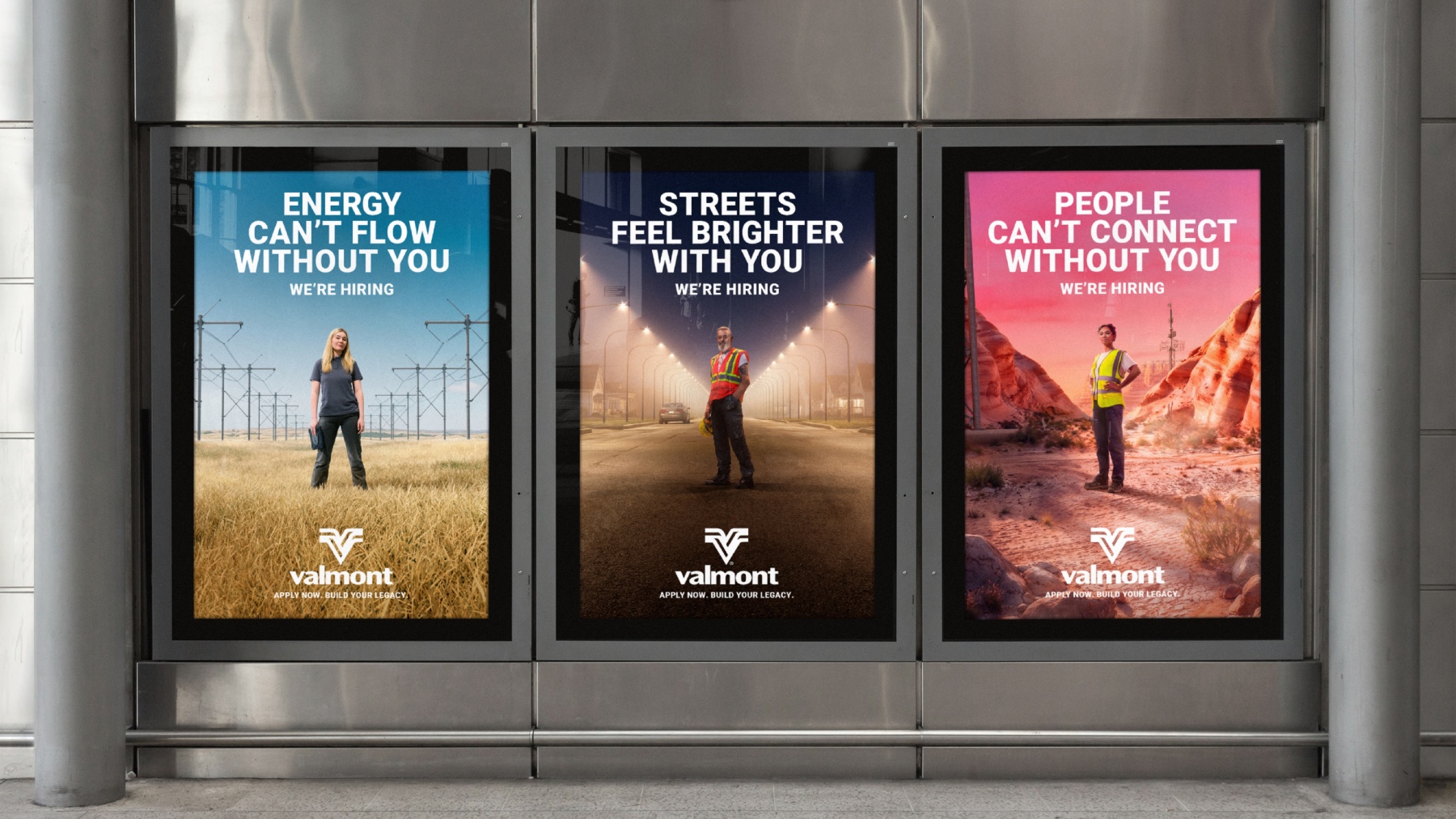
"Calling All Heroes." This campaign directly connected daily tasks to vital societal outcomes (e.g., "They can’t take the field without you"). Visually, it placed employees at the centre of the extraordinary contexts their work enables, using grit and reality to build authenticity.
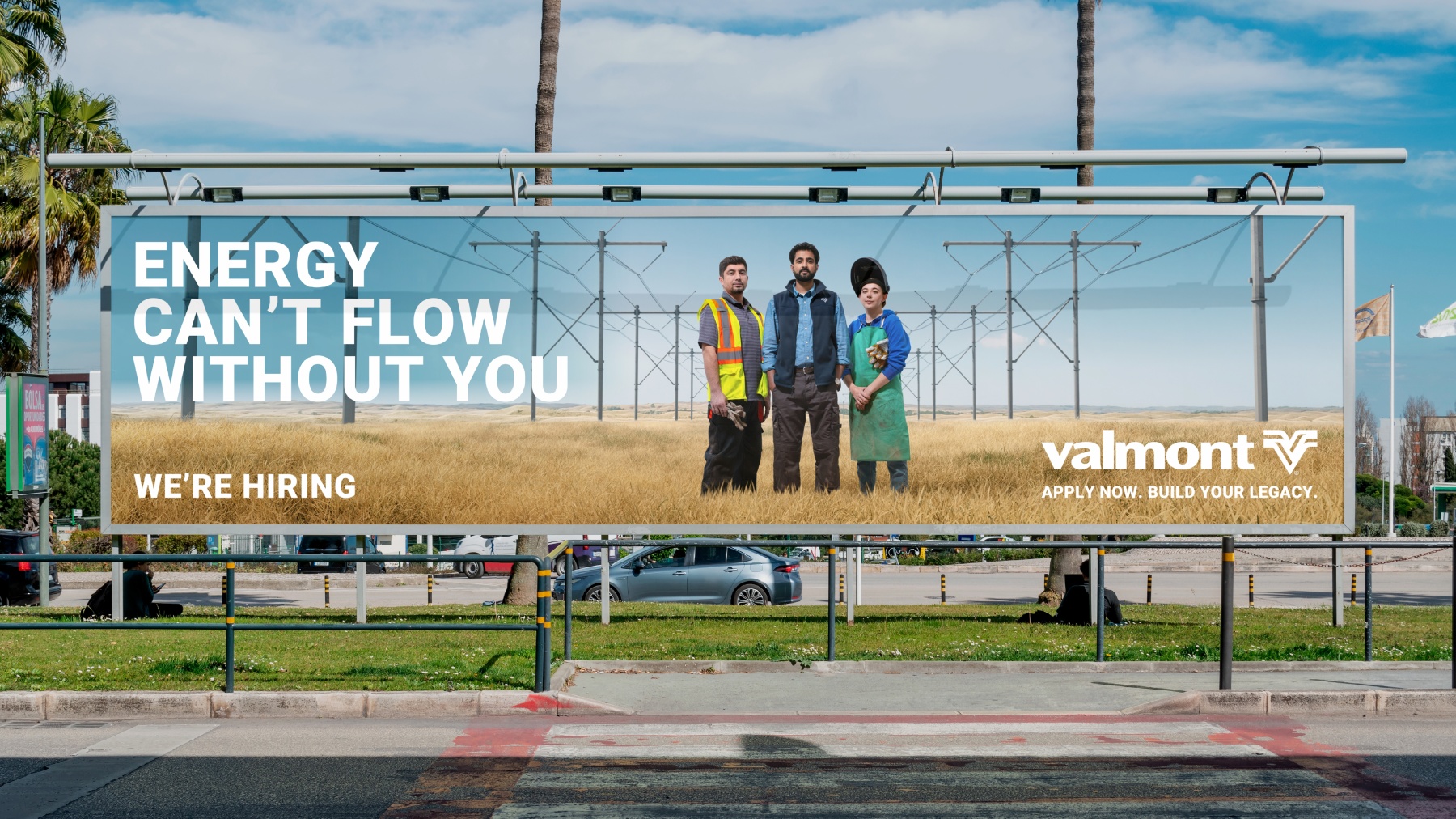
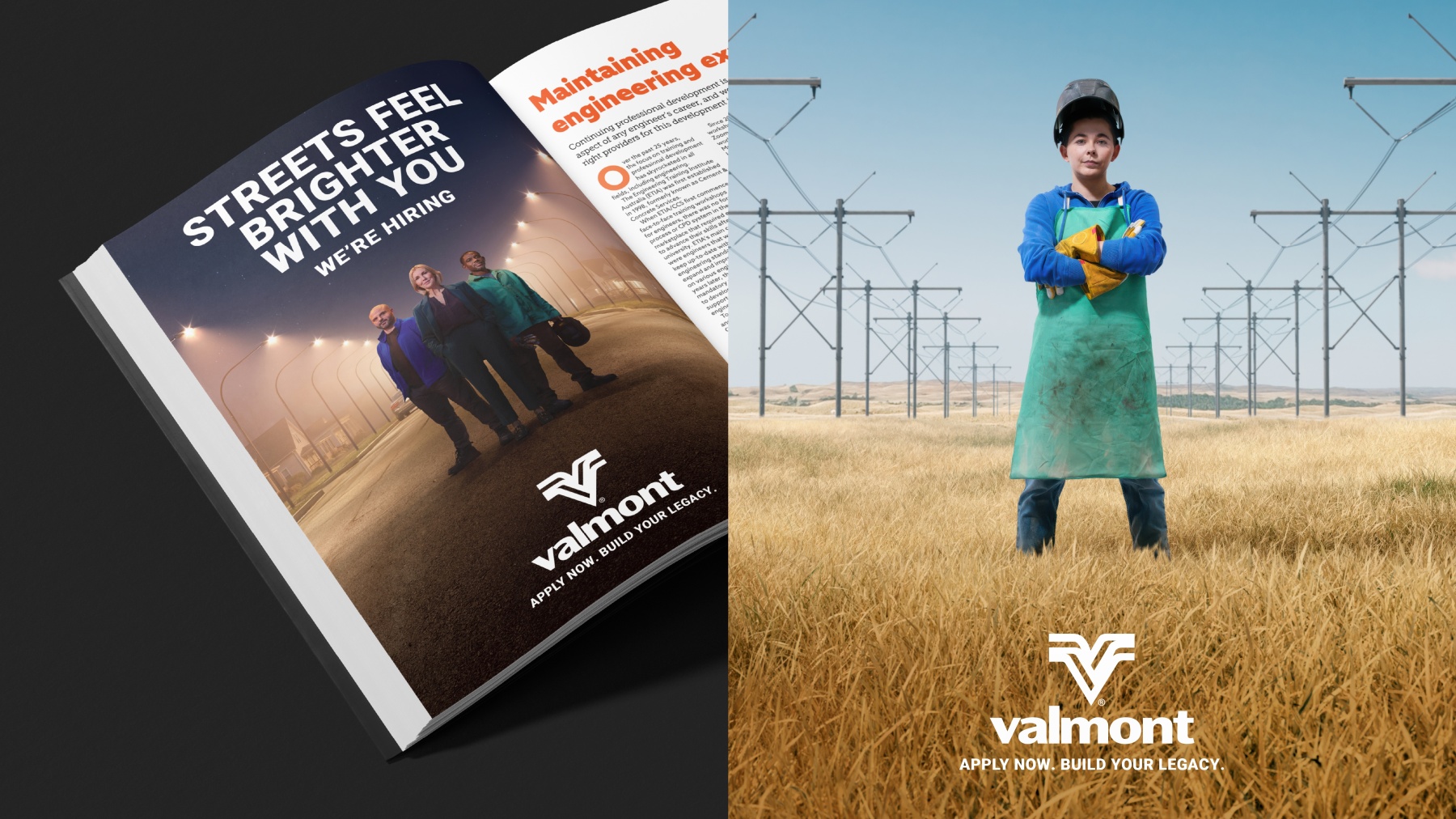
The resulting campaign has recently been launched and shown early positive impact in the following ways:
- Reframed the industry: It turned functional manufacturing roles into essential, impactful contributions (e.g., "brighter streets", “built to last”, “thriving crops”, etc.).
- Connected the dots for workers: By directly tying the frontline employee to the tangible outcome of their work, they built internal pride and reduced turnover.
- Humanised a massive machine: They moved away from product-focused marketing to feature the real people behind the infrastructure.